
My Priorities for The Blue Mountains.
The Blue Mountains is Growing & Changing.
The qualities that make this an extraordinary place to live deserve our care and attention.
My priorities are grounded in a simple belief: we can welcome the future while protecting what we value, strengthening our connections to one another, and making thoughtful decisions for the generations that follow.
Strong Communities
A place where people know they belong.
The Blue Mountains is more than one community. We are neighbourhoods, rural areas, villages and hamlets, long-time residents and newcomers, families, seasonal residents, businesses, volunteers and community organizations—all connected by the place we share.
I believe strong communities are built when people feel welcomed, valued and able to contribute. Belonging can be created through seemingly small things: knowing your neighbours, being introduced when you enter a room, having accessible places to gather, volunteering for something you care about, or knowing where to turn when you need support.
Throughout my work in The Blue Mountains, I have seen what becomes possible when people are given opportunities to connect. Volunteers become leaders. Organizations become partners. Ideas turn into projects. Young people begin to recognize that their voices matter.
As our municipality grows, maintaining that sense of connection will require intention. We need to support the community spaces, local organizations, events, services and volunteer networks that bring people together, while ensuring residents throughout the municipality feel represented and connected to their local government.
As a Councillor, I will work to strengthen the relationships that make our municipality more than simply a place to live - a place where people feel they belong.
Youth & Families.
A community where the next generation can belong, contribute, and build a future.
Young people are not simply the future of The Blue Mountains. They are members of our community today.
Throughout my work with youth and families, I have seen what happens when young people are trusted with responsibility, invited into meaningful conversations, and given opportunities to contribute. They bring creativity, energy, honesty, and perspectives that our community needs.
I want The Blue Mountains to be a place where children can grow up feeling connected to their community, teenagers have safe and meaningful opportunities to gather and participate, and young adults can imagine building a life here.
-
Young people need a place—and a voice—in their community.
I believe young people should be invited into community life in ways that are genuine, not symbolic.
That means creating opportunities to volunteer, develop leadership skills, contribute ideas, gain employment experience, participate in civic conversations, and lead projects of their own.
It also means recognizing that young people don’t always need another organized activity.
Sometimes they simply need somewhere to be—a welcoming library, a park, a basketball court, a trail, a recreation space, a volunteer opportunity, or a place to spend time with friends.
When young people feel that they belong to their community, they are more likely to care for it, contribute to it, and eventually lead within it.
-
Strong communities make everyday life possible for families.
Families experience municipal decisions in very practical ways.
Can a child safely walk or bike somewhere? Can a teenager reach an after-school job without always relying on a parent to drive? Are there affordable opportunities to participate in recreation? Are there welcoming public spaces where families can gather without having to spend money?
Housing, childcare, transportation, recreation, access to services, and affordability all influence whether families can build sustainable lives here.
Municipal government does not control every one of these services, but it can be an effective partner and advocate. It can plan communities thoughtfully, strengthen partnerships, provide accessible public spaces, and consider the needs of families when decisions are made.
-
Growing up should come with opportunities to explore, contribute, and become independent.
Some of my strongest childhood memories are of having the freedom to explore outdoors, participate in recreation, travel through my community, and gradually discover what I was capable of.
I want today’s young people to experience that same sense of possibility.
Safe walking and cycling connections, accessible recreation, summer and part-time employment, volunteering, mentorship, leadership opportunities, and community spaces all help young people develop confidence and independence.
We should be asking not only what we can provide for young people, but what opportunities we can create with them.
Their ideas, abilities, and experiences are assets to our community.
-
Young people should be able to imagine themselves staying - or coming home.
The ability to build a future in The Blue Mountains is increasingly connected to some of our biggest municipal challenges.
Housing matters. Transportation matters. Employment matters. Access to services matters.
If young adults who grew up here cannot afford to stay, workers must travel considerable distances to be part of our community, or young families cannot find housing that fits their stage of life, we risk losing some of the generational and economic diversity that makes a community resilient.
Creating more diverse and attainable housing choices is therefore about more than development. It is about who gets to call The Blue Mountains home.
As we plan for growth, I want us to consider whether the decisions we make today are creating a community where the next generation can realistically see themselves living, working, raising families, contributing, and belonging.
The Questions I Will Keep Asking
As a Councillor, I will bring a youth-and-family lens to municipal decision-making:
Can people at different stages of life participate fully in this community?
Are we creating opportunities for young people to contribute - not simply providing things for them?
Are transportation, housing, and public spaces supporting independence or limiting it?
Who cannot access this opportunity, and why?
Are we considering the needs of families as our municipality grows?
I want The Blue Mountains to be a place where young people grow up knowing their ideas matter, families feel supported, and the next generation can see a future for themselves here.
Recreation & Well-being.
A healthy community gives people opportunities to move, connect, create, play and belong.
Recreation has shaped almost every stage of my life.
I have experienced it as a child discovering independence outdoors, as an athlete, lifeguard and instructor, and later as a coach, facilitator, facility manager, small business owner, volunteer and parent.
Those experiences have taught me that recreation is about much more than sport.
It builds confidence and independence. It supports physical and mental well-being. It creates friendships and connects generations. It gives people opportunities to discover new interests, contribute their skills and find places where they belong.
The Blue Mountains already has extraordinary recreational assets. As our community grows and changes, I believe our responsibility is to care for what we have, address barriers to participation, and thoughtfully plan for what residents will need next.
-
Recreation should be part of everyday life.
Some of our most valuable recreation infrastructure is remarkably simple.
A trail to walk after dinner. A basketball court. A playground. A beach. A field. A place to ride a bike. A community room. Somewhere to meet a friend or sit outside with neighbours.
These spaces allow people to participate on their own terms, without necessarily registering for a formal activity.
Residents have consistently told the Town how much they value our trails, parks and outdoor spaces. These are tremendous community assets, and we should continue protecting, connecting and improving them while also identifying neighbourhoods and populations where opportunities are limited.
Recreation planning should consider organized sport, but it should also recognize the enormous value of informal, spontaneous and everyday activity.
Sometimes relatively small investments can make an enormous difference in how people experience their community.
-
Public recreation should feel genuinely public.
Building a park, court, trail or recreation facility does not automatically make it accessible.
True access means considering the entire experience.
Can someone get there safely?
Can they afford to participate?
Does the space need to be booked?
Is the booking process easy to navigate?
Is equipment required?
Are desirable times consistently occupied by organized users?
And when someone arrives, do they understand that the space is meant for them too?
These questions matter for people of every age, but they can create particular barriers for youth, seniors, people living with disabilities, residents without reliable transportation and households managing increasing costs.
For young people, access and independence are closely connected. A recreation opportunity isn’t truly accessible if participating always requires an adult to register, pay, reserve, transport or invite them.
That means we should consider transportation, affordability and facility location alongside recreation planning—not after a facility has already been built. It also means exploring ways to preserve drop-in and unstructured use and, where appropriate, considering designated youth or community access times.
Access isn’t simply whether a space exists. It’s whether people can realistically use it.
-
Not every valuable community space needs a formal activity attached to it.
One of the things I value most is asking young people directly what they want from their community.
Their answers are often wonderfully practical.
An updated skate park. A splash pad. A basketball court. A pool table or ping-pong table. A youth centre or comfortable lounge where they can meet friends and eat. A makerspace. Somewhere to create art, perform, build something or experiment with recycled materials.
And sometimes they simply want somewhere to be.
There is an important message in those requests.
Young people want opportunities for sport and structured recreation, but they also want agency. They want public spaces where they don’t always need to register, be coached, follow a schedule or spend money in order to participate.
Our community spaces should leave room for creativity, spontaneity and innovation.
Well-designed public spaces can support physical activity, creativity, social connection and independence at the same time—and sometimes the most successful spaces are those that give people enough flexibility to decide for themselves how they will use them.
-
Our recreation infrastructure needs to evolve with our community.
Residents have been telling the Town for years that they value recreation. They have also consistently identified gaps in indoor and year-round opportunities, including aquatics, fitness, courts and flexible multi-use recreation space.
Young people have told us recreation matters to them too.
I believe those voices deserve to be taken seriously.
I have participated directly in this conversation over the years, including as an interviewed stakeholder and focus-group participant during development of the Town’s Leisure Activities Plan. I also helped develop the simplified youth survey used during the Joint Multi-Use Recreation Feasibility Assessment and supported efforts to bring Town staff directly into our local schools so young people could participate in the consultation.
The next stage of this work should continue with an open mind and a commitment to evidence.
Future decisions need to consider demonstrated community need, accessibility, location, transportation, capital investment, long-term operating costs, existing facilities and opportunities for regional partnership.
But our goal should never simply be to construct a building.
Our goal should be to improve access to recreation.
And while conversations about major facilities are important, they cannot overshadow the everyday infrastructure residents already use: our parks, trails, waterfronts, courts, fields, playgrounds, community centres and informal gathering spaces.
We need to plan for the whole recreation system - not simply the next building.
-
Good ideas don’t always need to begin at Town Hall.
Some of the strongest recreation opportunities in our community have been created by volunteers, clubs, businesses, schools, libraries, non-profits and residents who saw an opportunity and decided to act.
Municipal government doesn’t need to deliver everything itself.
Sometimes leadership means building a facility or providing a service. Other times it means providing space, improving access, sharing equipment, connecting organizations, reducing unnecessary barriers or helping a community-led idea get off the ground.
I’ve seen firsthand what can happen when people and organizations bring different resources and expertise to the same table.
I want the Town to be a strong and willing partner to the people already creating opportunities within our community, while also looking beyond municipal boundaries when regional collaboration can improve access, reduce duplication or make better use of public resources.
Partnerships should not replace municipal responsibility - but they can help us accomplish much more together.
Recreation is an investment in people.
When we create opportunities to move, gather, create, learn, play and participate, we’re doing more than providing recreation. We’re building healthier people, stronger connections and a community where more of us can belong.
The Questions I Will Keep Asking
When recreation investments and decisions come before Council, I will bring both myprofessional experience and a community well-being lens to the table.
What have residents told us they need?
Are we maintaining and making good use of what we already have?
We built it - but who can actually use it?
Can people get there safely and independently?
Is cost, booking, equipment or scheduling creating unnecessary barriers?
Are we preserving opportunities for informal and drop-in recreation alongside organized use?
Can partnerships help us provide something better or more efficiently?
Will this investment continue to serve our community as our population changes?
Who haven’t we heard from yet?
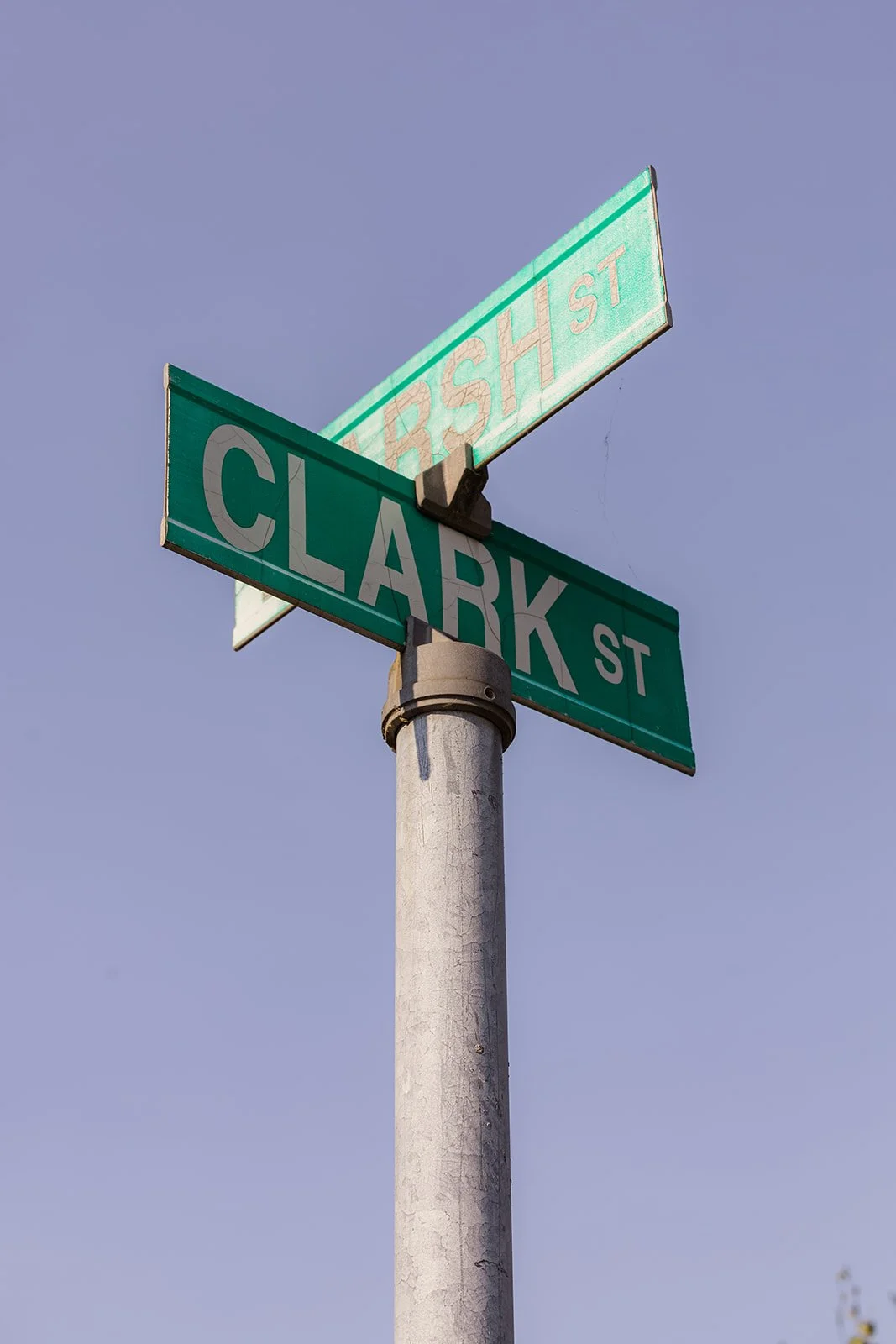
Responsible Growth
Growth is coming. The question is how we grow well.
The Blue Mountains is an extraordinary place to live, work, raise a family, build a business, and visit. It is understandable that more people want to be part of it.
I don't believe our choice is simply between growth and no growth. Our responsibility is to ensure that change contributes positively to the community we want to become.
That means creating more diverse housing while building complete neighbourhoods. It means ensuring infrastructure and municipal services keep pace. It means respecting the character of our communities, protecting the landscapes that define us, supporting a strong year-round economy, and understanding the long-term financial consequences of the decisions we make today.
Responsible growth isn't about resisting change. It's about shaping change thoughtfully.
-
Let's build communities, not simply units.
The Blue Mountains needs greater housing choice.
Young adults, families, workers, seniors, and people at different income levels should have more opportunities to find housing that meets their needs and allows them to remain part of this community.
But increasing housing supply is only one part of the conversation.
When we build new neighbourhoods, we also create demand for roads, water and wastewater infrastructure, parks, recreation, transportation, emergency services, and other municipal services.
We should therefore be asking more than, "How many units are being built?"
We should also ask:
Will people be able to walk and cycle safely?
Are there parks and public spaces?
Can infrastructure support the development?
Are there different housing types for different stages of life?
Can residents connect easily with the rest of the community?
Does the development contribute positively to the neighbourhood around it?
Housing matters enormously. But the goal should be more than adding homes.
We should be creating places where people can build lives.
-
Growth and infrastructure need to be planned together.
Every new neighbourhood creates both opportunities and responsibilities.
Roads, bridges, water and wastewater systems, stormwater infrastructure, parks, trails, recreation spaces, emergency services, and other municipal assets all require investment.
They also require maintenance long after construction is complete.
That's why I believe infrastructure capacity should be part of the growth conversation from the beginning—not something we address after development has occurred.
Development should contribute appropriately toward the infrastructure it requires, while the Town continues planning responsibly for the renewal and maintenance of the assets residents already rely on.
As Council considers growth, one of the questions I will continue asking is:
Can our infrastructure and services responsibly support what we're approving?
-
Change should strengthen the character of our communities—not erase it.
The Blue Mountains is not one uniform place.
Thornbury, Clarksburg, Craigleith, Ravenna, our rural and agricultural areas, waterfront communities, and neighbourhoods throughout the municipality each have their own character, history, landscape, and relationship with the people who live there.
Responsible planning should recognize those differences.
I don't believe that means freezing our communities in time. Communities evolve.
But good growth should respond thoughtfully to its surroundings.
That means considering appropriate scale and design, neighbourhood connections, public spaces, natural and agricultural lands, transportation, walkability, and how new development contributes to the community around it.
We can welcome new neighbours and new ideas while still protecting the qualities that make these places distinctive.
Growth should fit the place in which it occurs.
-
Every major decision has two price tags: what it costs today and what it commits us to tomorrow.
Fiscal responsibility isn't simply about spending less.
It's about understanding what we're investing in, why we're investing in it, and what that decision will cost over its entire life.
A road eventually needs resurfacing.
A building eventually needs a new roof.
Vehicles need replacing.
Parks and public spaces need maintenance.
Water, wastewater, drainage, and other infrastructure require continuous renewal.
As our municipality grows, so does the amount of infrastructure future Councils and taxpayers will be responsible for maintaining.
That's why I want us to consider lifecycle costs alongside initial capital costs.
The question shouldn't only be:
Can we afford to build it?
We should also ask:
Can we afford to own it?
Thoughtful long-term planning helps protect both the services residents rely on today and the financial health of the municipality tomorrow.
-
A successful visitor economy and a strong resident community should support one another.
Tourism is an important part of The Blue Mountains.
It supports local businesses, creates employment, introduces people to this extraordinary area, and contributes significantly to our local economy.
It also creates pressures.
Seasonal traffic, parking, waterfront and trail use, emergency services, infrastructure, housing, and the demands placed on public spaces are all affected by the number of people who visit our municipality.
I don't believe residents and visitors need to be placed on opposite sides of that conversation.
Instead, we should ask how a successful visitor economy can contribute to an even stronger year-round community.
That means working with tourism operators, local businesses, residents, community organizations, and regional partners to manage visitation thoughtfully, invest strategically, protect the places people come here to experience, and ensure tourism contributes positively to everyday life in The Blue Mountains.
A great place to visit should first remain a great place to call home.
Responsible growth isn't about resisting change.
It's about shaping change thoughtfully - welcoming opportunity while protecting what we value, planning for what growth requires, and building a community that remains strong for generations to come.
The Questions I Will Keep Asking
As growth-related decisions come before Council, I will keep returning to some fundamental questions:
Does this development contribute to the community we want to become?
Does our infrastructure have the capacity to support it?
Who will pay for the infrastructure growth requires - and who will maintain it in the future?
Are we creating different kinds of housing for different stages of life?
Does this respect the character and landscape of the place in which it is being built?
Are people able to walk, cycle, gather, and connect within the community we're creating?
Have we considered the long-term financial implications - not simply today's cost?
Have the people most affected had a meaningful opportunity to participate?
And ultimately:
Will this decision leave The Blue Mountains stronger for the generation that follows us?
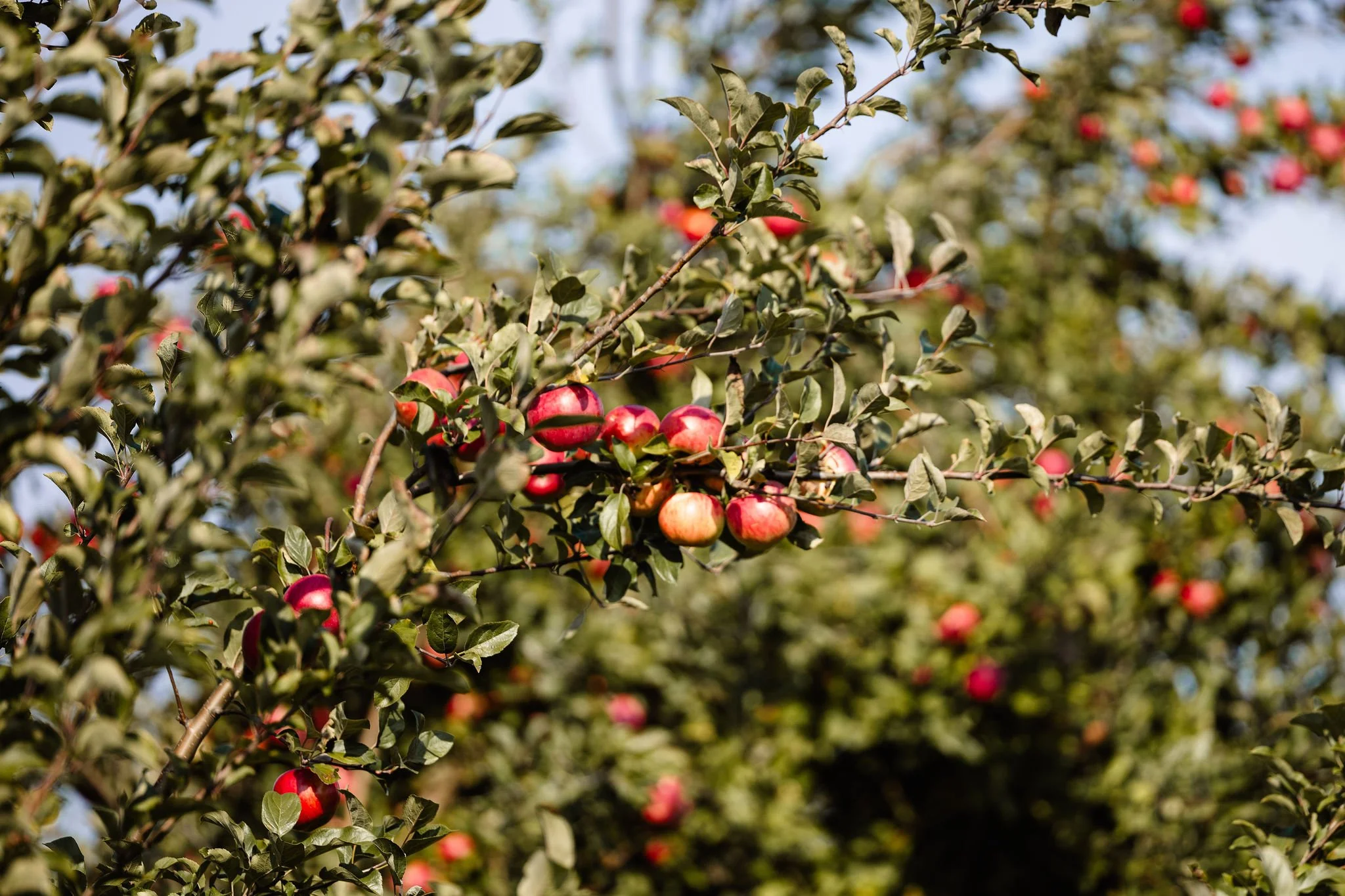
Environmental Stewardship
We inherited an extraordinary place. Our responsibility is to leave it stronger.
The natural environment is not simply the backdrop to life in The Blue Mountains. It is part of who we are.
Georgian Bay, the Niagara Escarpment, Beaver Valley, our forests, wetlands, waterways, agricultural lands and changing seasons shape our communities, our economy, our recreation and our sense of home.
My own connection to the environment is deeply personal. Some of the places where I feel the greatest sense of belonging are remarkably simple: standing with my feet in the water, walking through a forest, feeling rain on my face or being outside while the snow is falling.
That connection has also shaped how I think about leadership.
Environmental stewardship should not be something Council occasionally funds or considers after other decisions have been made. It should be a lens through which Council governs.
That means understanding the land before changing it. Valuing the services nature already provides. Preparing our infrastructure for changing conditions. Listening to science, lived experience and different ways of knowing. And continually asking what today's decisions will leave for the generations that follow us.
-
Protect the natural systems that define and sustain us.
The health of our community is inseparable from the health of the land and water around us.
Our forests, wetlands, watersheds, shoreline, agricultural lands and wildlife habitats are interconnected systems. They support biodiversity, protect water quality, absorb rainfall, store carbon, provide recreation and contribute enormously to the character of The Blue Mountains.
Georgian Bay deserves particular attention. It should not simply appear in our photographs, tourism materials and descriptions of this beautiful place. Its health should be part of how we make decisions.
As our municipality grows, environmental considerations need to be present from the beginning of conversations about development, infrastructure, stormwater, wastewater, transportation, shoreline management and public space—not addressed only after decisions have largely been made.
Good planning begins by understanding what is already there, what it contributes and what could be lost.
Protection and progress do not have to be opposing ideas when stewardship is built into how we plan.
-
Good stewardship requires curiosity, humility and a willingness to listen.
Strong environmental decisions depend on good science, careful data and technical expertise.
But those aren't the only forms of knowledge that can help us understand a place.
I value the principle of Two-Eyed Seeing, a Mi'kmaw concept associated with Elder Albert Marshall that teaches us to learn from the strengths of Indigenous ways of knowing alongside the strengths of Western knowledge.
For me, engaging with that principle begins with humility.
It means recognizing that leadership does not require pretending to know everything. It requires asking whose knowledge is missing, listening to people who have longstanding relationships with the land and water, and remaining open to perspectives that may help us understand a place more completely.
Residents also carry valuable knowledge. Farmers, environmental organizations, Indigenous communities and knowledge holders, scientists, recreational users, conservation professionals, young people and people who have watched a landscape change over decades may each notice something different.
The better we understand the places we are responsible for, the better decisions we can make about their future.
-
Sometimes the most valuable infrastructure is infrastructure nature has already built for us.
A wetland can hold and filter water.
A healthy forest can store carbon and rainfall.
Trees provide shade, cooling, habitat and stormwater benefits.
Healthy soils absorb water.
Natural shorelines can help build resilience.
These are not simply environmental amenities. They are services our community depends upon.
The Town has begun important work identifying and valuing its natural assets and recognizing them as part of our municipal infrastructure. I believe that thinking should increasingly influence the decisions Council makes.
Before removing or significantly altering a natural asset, we should understand what services it currently provides - and what it may cost residents to replace those services through engineered infrastructure.
The same thinking applies to trees.
We need to plant for the future, but we also need to protect what is already growing. Organizations such as Tree Trust TBM have helped demonstrate the extraordinary ecological and community value contained within mature trees.
A newly planted tree is important.
A healthy tree that has been growing for 100 years is irreplaceable within our lifetime.
Caring for natural assets can be both environmental stewardship and sound financial management.
-
Plan today's community for tomorrow's conditions.
Climate change has practical consequences for municipal government.
Extreme heat, changing precipitation, severe storms, flooding, shoreline impacts, erosion, tree health, infrastructure design and emergency preparedness all affect how communities function and what municipalities must maintain.
Climate resilience therefore needs to be part of long-term infrastructure and asset planning.
When we replace a culvert, reconstruct a road, design stormwater systems, plant trees, approve development or invest in public facilities, we should consider not only today's conditions but the conditions those assets may experience throughout their useful lives.
This isn't only an environmental question.
It is about public safety, infrastructure protection, risk management and responsible use of public dollars.
Preparing now is often far more responsible than paying to react later.
-
Environmental action becomes more powerful when people can see themselves in it.
Some of the most hopeful environmental work I have experienced has happened when people were given an opportunity to do something tangible.
Through my involvement with Climate Action Now Network (CANN), youth environmental projects and local climate-action initiatives, I have seen residents, volunteers, organizations and young people turn ideas into action.
I have also helped promote Youth Climate Action Fund opportunities, connect young people with partners and resources, and support projects as they moved from ideas into implementation.
The Moreau Park Tiny Forest is a wonderful example. A youth-led idea grew through collaboration among young people, CANN, BVO, the Town, environmental professionals and community volunteers. Together, approximately 40 volunteers helped plant 180 trees and shrubs using the Miyawaki method.
Projects like these do more than improve the environment.
They build knowledge. They create relationships. They give young people meaningful leadership opportunities. And they allow residents to look at something growing in their community and know, “I helped make that happen.”
I want us to continue creating opportunities for residents to participate through tree planting and protection, naturalization, repair and reuse, waste reduction, habitat restoration, citizen science, environmental education and youth-led innovation.
The Town doesn't need to own every good idea.
Sometimes its most valuable role is helping a good idea grow.
-
What we protect today becomes part of someone else's inheritance.
There is a reason people feel so strongly about The Blue Mountains.
It is in the water.
The forests and trails.
The Escarpment.
Our agricultural landscapes.
The shoreline.
The changing seasons.
And the moments when we can still find quiet, darkness, wildlife and space.
Organizations such as Tree Trust TBM, Georgian Bay Forever, CANN and many others remind us that stewardship requires ongoing attention - not simply appreciation. Their work also demonstrates how much knowledge, passion and willingness to contribute already exists within our community.
Municipal government should listen to that expertise and create meaningful opportunities for collaboration.
As we make decisions about growth and infrastructure, we need to continually consider what those decisions mean for the places that make The Blue Mountains distinctive.
I don't believe protecting our environment means preventing our community from changing.
It means ensuring that, through change, we do not unintentionally lose the very things that made this an extraordinary place to begin with.
We inherited something remarkable. Future generations deserve the opportunity to inherit it too.
Environmental stewardship should be a lens through which Council governs.
We inherited an extraordinary place. Our responsibility is to understand it, care for it and make decisions today that leave it stronger for the generations that follow us.
The Questions I Will Keep Asking
When decisions affecting our environment come before Council, I will keep returning to some fundamental questions:
What is already here, and do we fully understand its value before changing it?
How will this decision affect our land, water, tree canopy, biodiversity and natural systems?
What does the science tell us—and whose knowledge or perspective might still be missing?
Are we considering environmental impacts early enough in the decision-making process?
What service is nature currently providing, and what would it cost to replace that service?
Are we designing infrastructure for the conditions it will face over its entire lifespan?
Can residents, community organizations or young people meaningfully participate in the solution?
Are we protecting mature natural assets while also planting and restoring for the future?
And ultimately:
What will this decision leave behind?
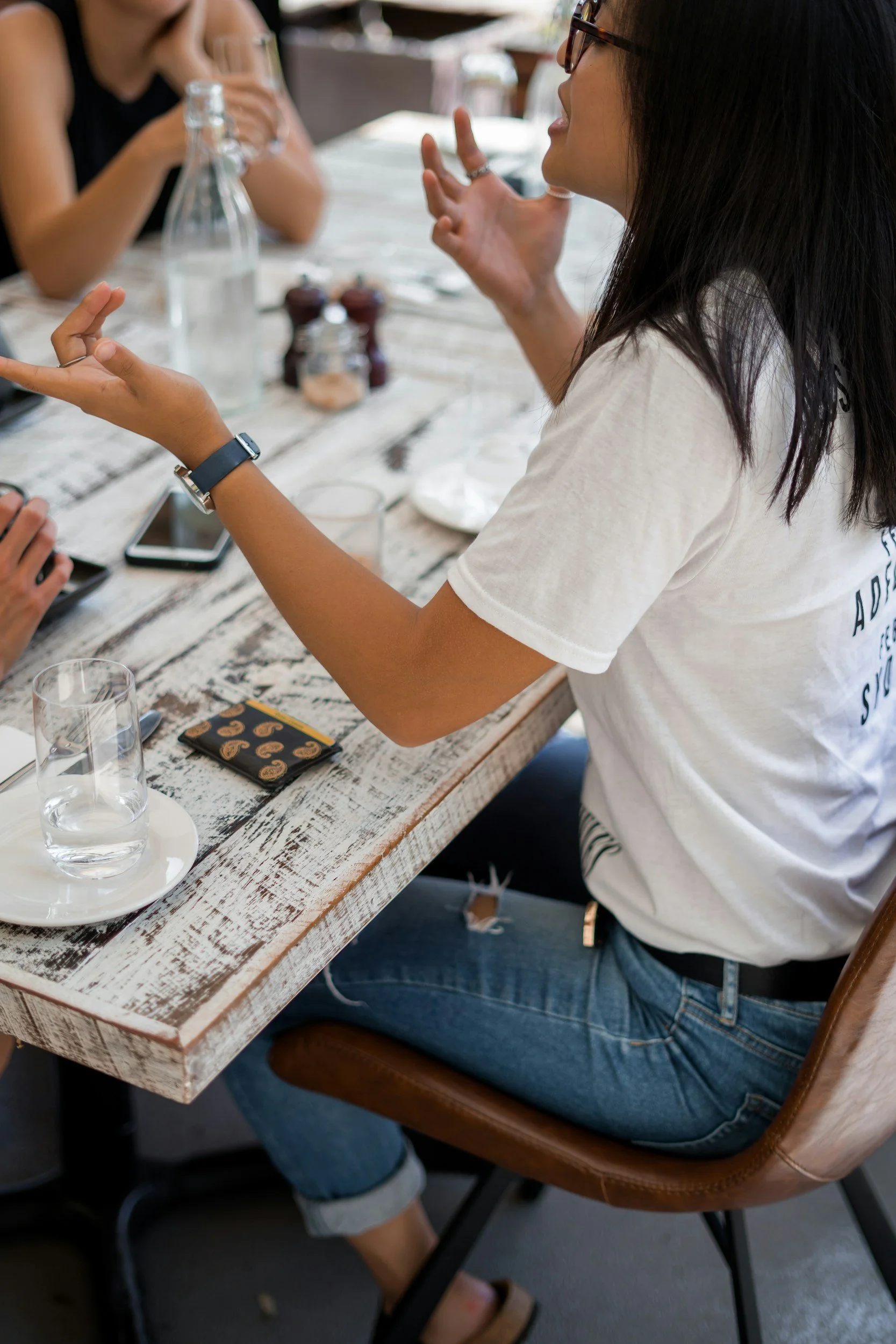
Collaboration & Transparency
You shouldn't have to know how Town Hall works for Town Hall to work for you.
Local government is the level of government closest to our everyday lives. I believe it should also be one of the most accessible.
Residents should be able to understand what Council is considering, know how to participate, see how public dollars are being used, and understand why decisions are made.
That requires more than publishing agendas or holding public meetings. It requires clear communication, meaningful engagement, accountability, collaboration, and a willingness to listen.
It also requires recognizing that people participate differently. Not everyone can attend a Council meeting, navigate a lengthy report, complete an online survey, or make a formal deputation.
Good local government doesn't simply make decisions for its community. It stays connected to the people those decisions affect.
-
Participation shouldn't require an understanding of the machinery of municipal government.
Some residents will attend Council meetings and read staff reports. Others will send an email, make a phone call, stop for a conversation, attend a community event, or respond to a survey.
All of those forms of participation have value.
People have different schedules, abilities, comfort levels, access to technology, transportation, and experience with government. Our approach to communication and engagement should recognize that.
I want residents to have multiple ways to connect with their municipality and their elected representatives—and to understand where to go when they have a question, concern or idea.
Accessibility also means communicating complicated issues in ways people can understand without removing the complexity that matters.
People shouldn't have to become experts in municipal government before their voices can be heard.
-
Don't simply invite people to participate. Make an effort to hear from the people who are missing.
Public engagement is most valuable when it reaches beyond the people who already know how to participate.
A consultation may receive hundreds of responses and still leave important perspectives unheard.
We should be asking:
Did we hear from young people?
Families and working-age residents?
Seniors?
Rural and seasonal residents?
People living with disabilities?
Businesses and community organizations?
People who will be directly affected by the decision?
When important voices are missing, we should look for better ways to reach them.
Sometimes that means government needs to go to the community rather than always expecting the community to come to government.
I've seen the value of this approach firsthand. During local recreation consultation, I helped develop a simplified youth survey and supported opportunities for Town staff to connect directly with students through our local school system. Young people who might never attend a public meeting were given an opportunity to speak for themselves about the community they use every day.
Consultation shouldn't be measured only by how many people participated. We should also ask who participated - and who is still missing.
-
Information being available isn't the same as information being accessible.
Municipal decisions can be complicated.
Budgets, planning applications, infrastructure projects, policies and staff reports often involve significant technical information and competing considerations.
Residents shouldn't need to interpret hundreds of pages of municipal documents to understand the basic questions Council is considering.
Good communication should help people understand:
What is being proposed?
Why is a decision needed?
What will it cost?
What alternatives were considered?
How can residents participate?
And ultimately, why did Council make the decision it did?
Transparency does not require eliminating complexity. It means doing a better job of explaining it.
And when residents give their time to participate, we should close the loop.
What did we hear? What changed? What didn't change? What was ultimately decided - and why?
Listening is only the beginning. People deserve to know what happened next.
-
Residents should be able to understand how decisions are reached.
Council will face difficult choices.
There will be competing priorities, financial constraints, different interpretations of evidence, and moments when reasonable people strongly disagree.
I don't believe good leadership means promising that everyone will agree with every decision I make.
I believe it means doing the work required to make that decision responsibly.
For me, that means arriving prepared. Reading the material. Asking good questions. Looking for evidence. Understanding costs and long-term consequences. Listening to different perspectives. Being willing to challenge assumptions—including my own—and changing course when better information warrants it.
It also means being willing to explain my vote.
You may not always agree with my decision, but you should be able to understand how I reached it.
Accountability is not only about the final vote. It is about the quality and integrity of the process that leads to it.
-
Some challenges are simply too interconnected for one organization to solve alone.
People's lives don't fit neatly within municipal departments, organizational mandates, or geographic boundaries.
Transportation crosses municipal borders.
Housing affects employers, families, infrastructure and community services.
Youth well-being involves families, schools, recreation, libraries, community organizations and healthcare.
Environmental stewardship involves residents, farmers, scientists, Indigenous communities and knowledge holders, environmental organizations, conservation expertise, businesses and multiple levels of government.
Recreation can involve municipalities, schools, clubs, businesses, volunteers and neighbouring communities.
Throughout my work, I have seen how much becomes possible when people stop asking “Whose responsibility is this?”long enough to also ask “Who needs to be at the table?”
Collaboration does not mean giving up municipal responsibility. It means recognizing when working together can produce a stronger result.
I want The Blue Mountains to continue building productive relationships with community organizations, businesses, Grey County, neighbouring municipalities, First Nations communities and rights-holders, other levels of government, volunteers and residents.
We don't have to do everything alone to lead effectively.
-
Disagreement is part of democracy. Respect should be too.
Council will not always agree.
Neither will residents.
Growth, taxes, housing, environmental protection, recreation, infrastructure and development can generate strong and sometimes deeply personal differences of opinion.
I don't see disagreement as something we should fear.
Good decisions are often strengthened when assumptions are challenged and different perspectives are genuinely considered.
But disagreement should not require disrespect.
We can question an idea without attacking the person who brought it forward. We can listen seriously without promising to agree. We can acknowledge when someone makes a good point. And we can change our minds when new information gives us reason to.
Council itself has a responsibility to model the kind of civic conversation we want throughout our community.
Respectful leadership isn't about avoiding difficult conversations. It's about creating the conditions where we can actually have them.
Good local government should be understandable, accessible and connected to the people it serves.
I want residents to know how to participate, understand how decisions are made, and feel confident that their elected representatives are prepared to listen, ask good questions, work with others and be accountable for the decisions they make.
The Questions I Will Keep Asking
As a Councillor, I will keep returning to some fundamental questions about how decisions are made:
Do residents have enough information to understand what we're considering?
Is that information genuinely accessible—or simply available?
Who have we heard from?
Whose voice is missing, and how could we reach them?
Have we clearly explained the costs, alternatives and consequences?
What does the evidence tell us?
Are we listening to perspectives that challenge our assumptions?
Could collaboration produce a better result?
Have we closed the loop with the people who participated?
Can I clearly explain why I am supporting—or not supporting—this decision?
And ultimately:
Are we conducting the public's business in a way that earns and maintains their trust?